Collection: Aluminum Mesh Filter Unit
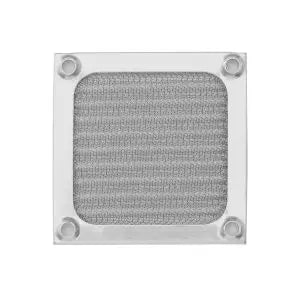
Heat buildup is the leading cause of server and control cabinet failure, but unmanaged dust intake is what causes it. When cooling blowers run continuously, open vents pull in airborne lint, shop grit, and particulate that insulate heatsinks and short out components. A dedicated mesh filter installs directly over intake ports, capturing heavy contaminants at the chassis boundary without choking cooling airflow.
Standard disposable foam and paper inserts rapidly clog, degrade under continuous heat cycles, and require constant replacement cycles. In contrast, multi-layered aluminum mesh filters provide rigid durability and reliable static pressure control. The conductive metal design doubles as passive shielding, grounding out stray EMI and RFI signals that can disrupt sensitive circuit boards. Upgrading to an mesh with filter intake assembly cuts ongoing replacement costs while keeping internal cabinet temperatures stable.
Frame Compatibility and Fan Filter Unit Integration
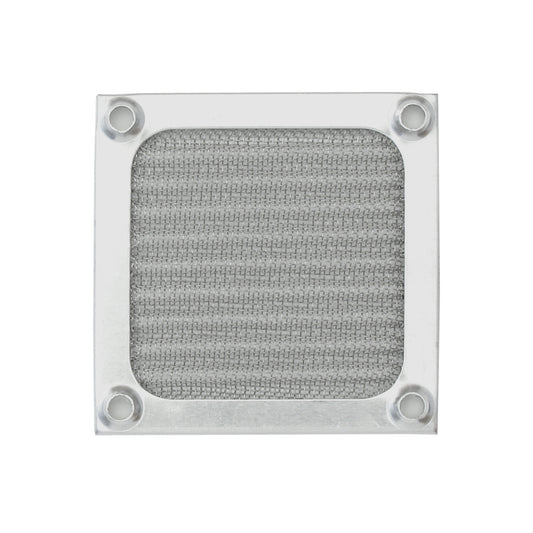
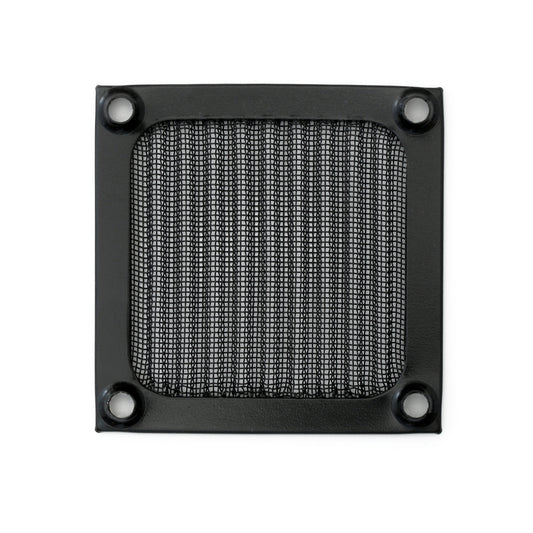
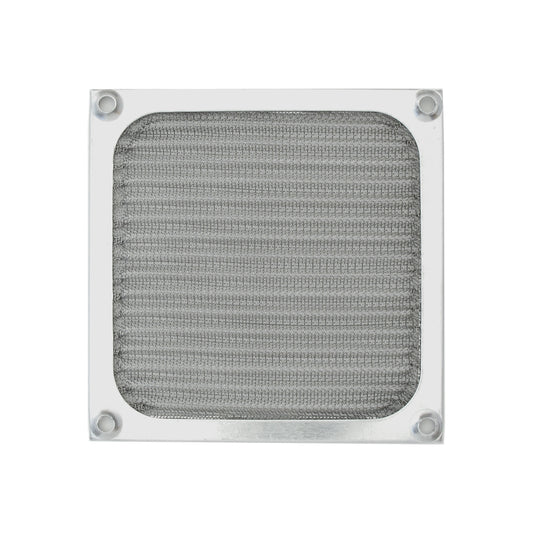
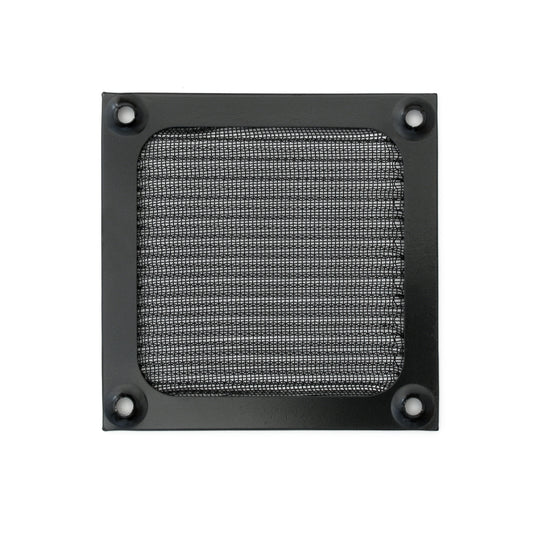
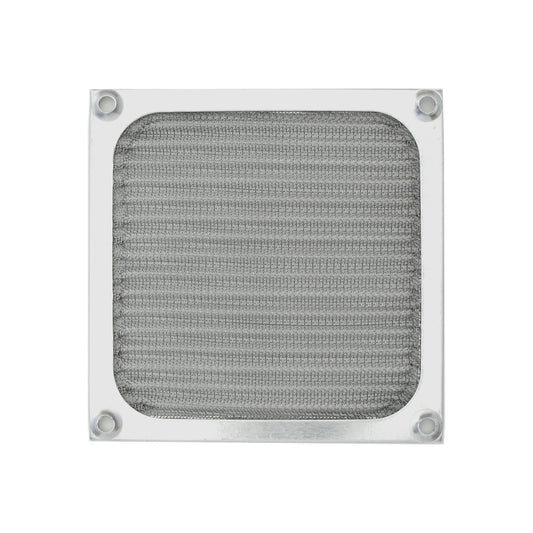
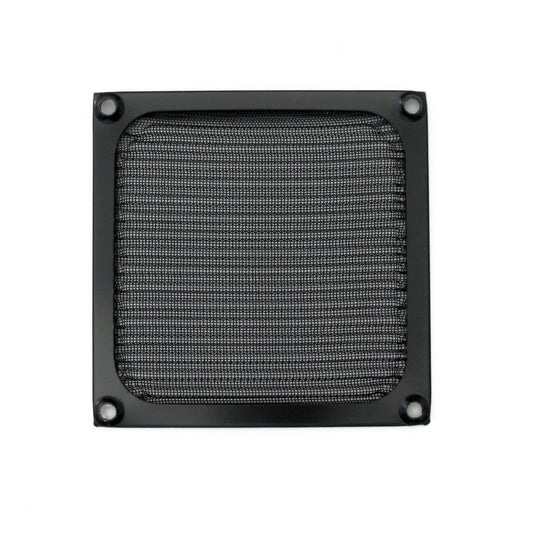
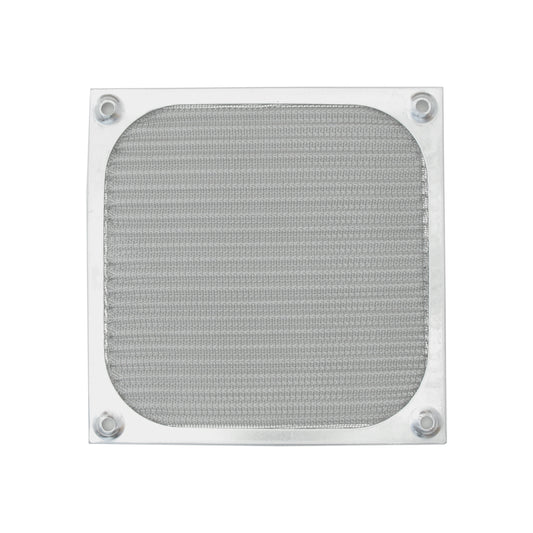
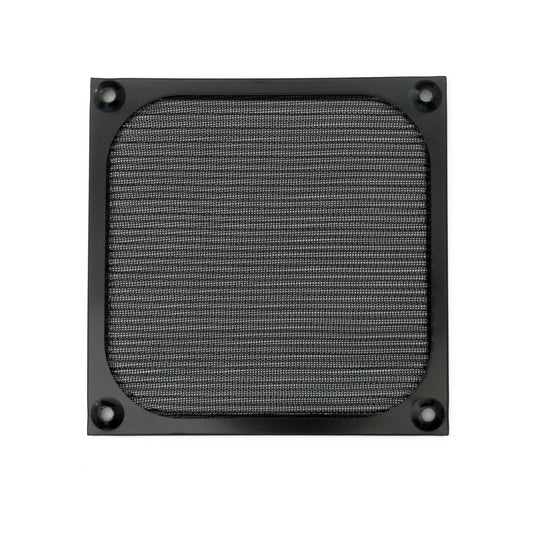
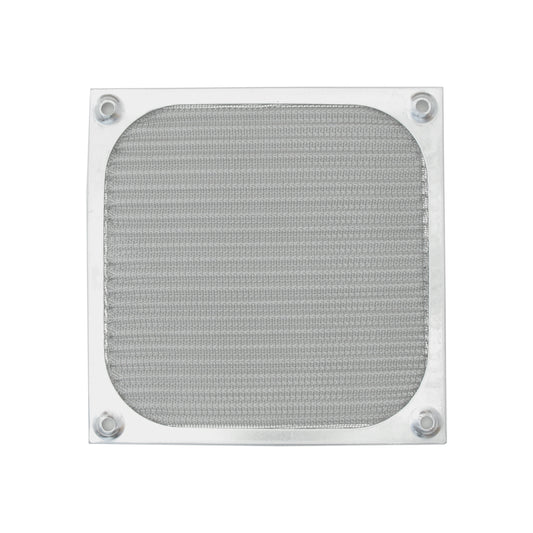
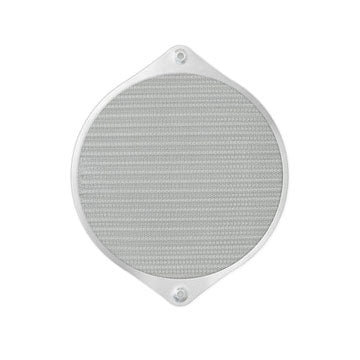
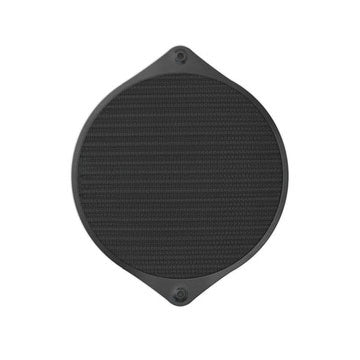
System cooling demands an exact physical match to avoid unfiltered air leaks around cabinet cutouts. A direct-mount Mesh Fan Filter bolts flush over industry-standard tube axial fan footprints—including 60mm, 80mm, 92mm, 120mm, and 162mm models. Each assembly mounts firmly without vibration, keeping maintenance fast and straightforward when servicing enclosure vents.
For sealed industrial enclosures requiring positive cabinet pressure, installing a motorized fan with filter provides active particulate control. A motorized fan filter unit draws outside air through the front metal screen before forcing filtered, laminar airflow into the cabinet interior. This positive pressure barrier prevents factory dust and airborne grease from entering unsealed seams, ensuring long-term operational uptime for high-draw hardware.
-
Aluminum Fan Filter Unit (60mm/AFM-60M)
Regular price $3.30 USDRegular priceUnit price per -
Aluminum Fan Filter Unit (60mm/AFM-60B)
Regular price $3.30 USDRegular priceUnit price per -
Aluminum Fan Filter Unit (80mm/AFM-80M)
Regular price $3.67 USDRegular priceUnit price per -
Aluminum Fan Filter Unit (80mm/AFM-80B)
Regular price $3.67 USDRegular priceUnit price per -
Aluminum Fan Filter Unit (92mm/AFM-92M)
Regular price $3.93 USDRegular priceUnit price per -
Aluminum Fan Filter Unit (92mm/AFM-92B)
Regular price $3.93 USDRegular priceUnit price per -
Aluminum Fan Filter Unit (120mm) AFM-120M
Regular price $4.67 USDRegular priceUnit price per -
Aluminum Fan Filter (120mm) - AFM-120B
Regular price $4.67 USDRegular priceUnit price per -
Fan Filter Unit (127mm) AFM-127M 5 Inch
Regular price $7.00 USDRegular priceUnit price per -
Aluminum Fan Filter Unit (162mm) AFM-162M
Regular price $5.83 USDRegular priceUnit price per -
Aluminum Mesh Fan Filter (162mm) AFM-162B - Black Finish
Regular price $5.83 USDRegular priceUnit price per